
Buy Nothing Groups for Beginners: A Complete Guide
Have you heard about Buy Nothing groups? I started using them a few years ago, and I’m obsessed. If you’re interested in reducing waste and saving money while building a positive community of gifting among neighbors, read on to learn how to use Buy Nothing groups in your community.

When I first joined my local Buy Nothing group back in 2020, I thought of it mostly as an eco-friendly habit. The group offered a way to keep things out of the landfill, reduce consumption, and save a little money. All of that turned out to be true. But I didn’t expect how it would change my relationship with my neighbors.
I borrowed a cherry pitter instead of buying. I picked up new-to-us toy cars from a neighbor’s porch within hours of me posting a request. My boys played with them for months. We gave away our bounce house to a family with three kids whose parent worked in healthcare during a particularly hard stretch of the pandemic.
These exchanges were small. They’re also exactly the kind of thing that holds a community together.
Right now, a lot of us are feeling some version of the same thing: a vague but persistent sense that the systems we’ve relied on are less reliable than they used to be. Life feels less certain, and it would be really good to know the people who live near us a little better.
Buy Nothing groups won’t fix everything. But they’re one of the most practical, low-barrier ways I know to start building the kind of neighborhood where people actually look out for each other. And they’re free.
Here’s everything you need to know to get started.

What are Buy Nothing groups?
A Buy Nothing group is a hyper-local community, usually organized by neighborhood or zip code, through which members give away things they no longer need and request items they need, entirely for free. No buying, no selling, no bartering. Just neighbors sharing what they have with other neighbors.
Liesl Clark and Rebecca Rockefeller founded the Buy Nothing Group on Bainbridge Island, Washington, in 2013. Their small local experiment has grown into a global movement with thousands of groups and over six million members worldwide. The concept is simple: create a gift economy where people share resources, build relationships, and reduce consumption simultaneously.
The rules are pretty minimal, but they matter: everything must be offered as a genuine gift, with no expectation of anything in return. This isn’t a trading platform or a discount marketplace. It’s a gifting community. That distinction turns out to be important, both practically and culturally.
Where to Find Your Group: Facebook vs. the Buy Nothing App
Buy Nothing groups started on Facebook, and many still operate there. The Buy Nothing Project has since built its own app, and some groups have migrated to it.
If your group is on Facebook: Search “Buy Nothing [your town or neighborhood name]” in the Facebook search bar. You’ll likely find one or more groups. Request to join. Most groups will ask a few basic questions, like your address (to confirm you’re local), before approving you.
If you don’t use Facebook or prefer not to: Download the Buy Nothing app and search for groups by location. Some communities have fully migrated there, and the app has the advantage of being purpose-built for this kind of exchange — no algorithm, no ads, no family drama in the sidebar.
My take as someone still using Facebook groups: The Facebook groups work well if you’re already on the platform. The main downside is that Facebook’s algorithm doesn’t always show you every post from the group, so you can miss things. I’ve found that checking the group directly, rather than waiting for it to surface in my feed, helps encourage consistent engagement. If Facebook feels like a barrier for you, the app is worth trying.
If you can’t find a group near you: It’s entirely possible to start one. The Buy Nothing Project website has resources for new administrators, and the time investment to get one going is genuinely not as daunting as it sounds. Your neighborhood might be waiting for someone to take the first step.
Why Join a Buy Nothing Group?
At the most basic level, Buy Nothing groups are great ways to share items we no longer need and find what we need for free when our neighbors have excess. But in my experience, Buy Nothing groups are much more than “just another free swap group.”
More than other gifting and swapping communities, Buy Nothing groups foster a stronger sense of community than I’ve experienced on other platforms. I think that makes the experience of giving things away and receiving gifts feel more connected and less transactional.
Why Buy Nothing Groups are Better Than Freecycle or Thrift Stores
I don’t want to trash other swapping platforms or charity shops. Each of them has its place, and anything we can do to keep items out of the landfill and extend their useful lives is great. But as a regular user of multiple online swapping and selling platforms and a donor to local charity shops, I always make Buy Nothing my first stop for rehoming items I no longer need. Here are a few reasons why I think Buy Nothing is the best.
- Community Building: Because the groups are relatively small (300-400 members seem to be an ideal size, though some are much larger or smaller), you connect with the same people repeatedly, exchanging items as both giver and recipient. There is much to appreciate in recognizing the people you’re gifting to, rather than just dropping cardboard boxes of stuff into the abyss of a charity storage room.
- Personal Communication: There is more communication and sharing about WHY gifts are important to people. Members are encouraged to share information about their gifts and requests as if they were speaking to their neighbors in person. This feels much more personal and engaging than other swapping platforms.
- Quick Pick Up: Many gifts on Buy Nothing groups move pretty quickly. The person receiving the gift often picks it up via contactless pick-up, coordinated through Facebook Messenger or the Buy Nothing app. It’s super easy, and you don’t have to plan time to go to the thrift shop or drive around with boxes in your trunk for days.
- Dedicated Moderation: There’s nothing worse than a well-intentioned Facebook group that turns into a giant sales page. Buy Nothing groups have fairly strict rules and often have administrators and moderators who enforce them diligently. This is super helpful in keeping the space relevant and ensuring it’s used for its intended purposes.
- Stuff Doesn’t End Up in the Trash: Despite our best intentions, much of what gets donated to thrift shops ends up in the trash. The volume of donations is just too much to sell. When you gift items through Buy Nothing groups, you can be pretty sure they are getting good use and not ending up in the landfill (at least for a little while during their next phase of life with your neighbor).
While it is my favorite way to rehome our things, we do still donate to charity shops from time to time when something doesn’t find a new family in our Buy Nothing group. Even though I think Buy Nothing is the best option, thrift shops are still better than trash.

How to Join a Buy Nothing Group
Once you’ve found your local group, here’s the process:
Request to join. Most groups ask for your neighborhood or address to confirm you’re local. This is intentional. Buy Nothing groups are hyper-local by design, and that locality is part of what makes them work. You’re not just connecting with strangers online; you’re connecting with the people who live near you.
Read the group rules before posting. I learned this the hard way. In one of my very first exchanges, I offered some spice jars to a neighbor and jokingly suggested she could pass along some herb-drying tips in return. An administrator quickly and firmly reminded me that trading, even in jest, isn’t allowed. Every item must be a genuine gift with nothing expected in return. The rules exist to protect the spirit of the community, and the administrators take them seriously. Save yourself the mild embarrassment and read the rules first.
Introduce yourself if the group has an intro post. Many groups have a pinned post where new members share a little about themselves. This is worth doing. It’s the beginning of the actual community part.
How to Give
Giving is the most straightforward part. If you have something you no longer need, post it to the group with a clear description and a photo if you can.
A few things worth knowing:
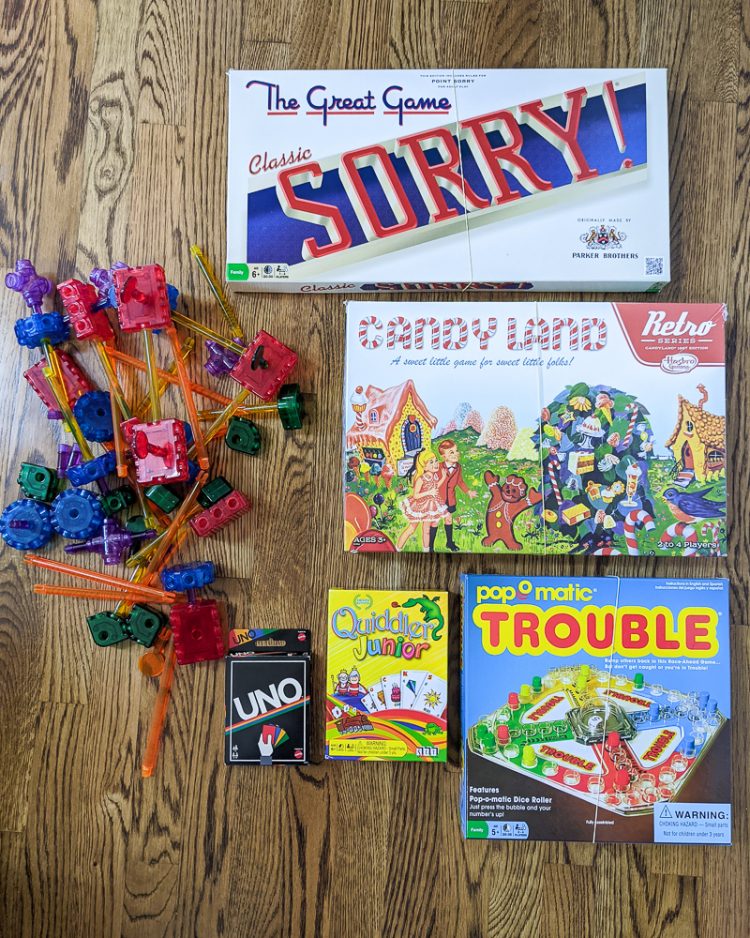
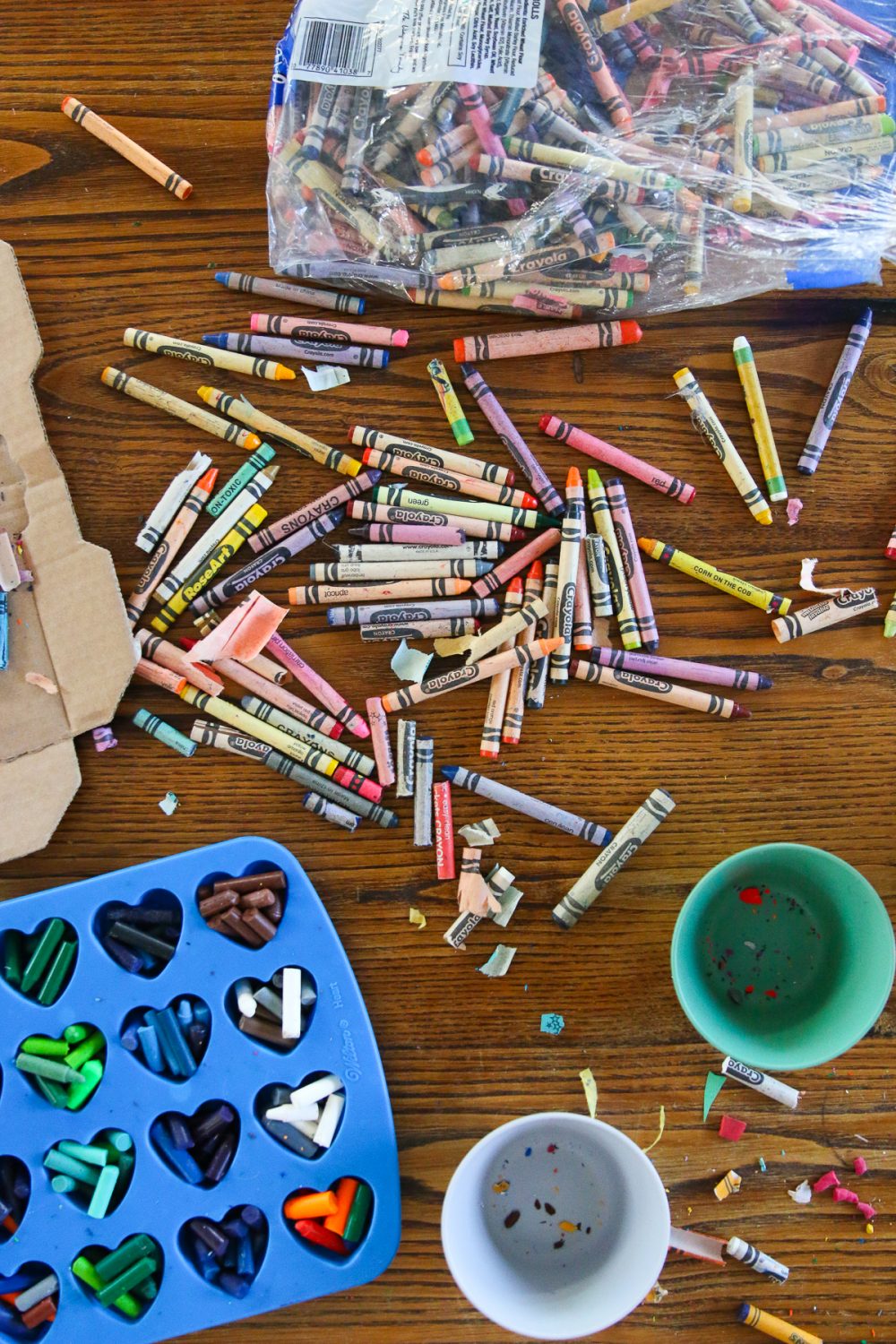
You don’t have to limit yourself to “valuable” items. The Buy Nothing guidelines intentionally don’t place a monetary threshold on gifts. I’ve successfully given away partial packages of craft supplies, half-used spice jars, random hardware I found in a junk drawer, and bitters I didn’t know how to use. Someone always wants it. The range of what people offer is one of the most delightful parts of these groups.
Let the gift simmer. Rather than giving to the first person who responds, most experienced Buy Nothing members wait a day or two before choosing a recipient (especially for items that generate a lot of interest). This gives everyone in the community an equal chance to see and request the item.
When I offered our indoor bounce house, I received nearly 70 requests within a couple of hours. I waited two days and then chose intentionally: a family with three kids whose parent worked in a high-risk medical field and whose children had significant activity restrictions at the time. That felt right in a way that first-come, first-served never could have.
Choosing recipients is one of the best parts. You get to decide who gets your things. You can choose based on need, on a story that resonates with you, on who would get the most use out of it, or simply on a gut feeling. It’s one of the few consumer-adjacent experiences that actually feels good.
How to Request
Requesting feels harder than giving for most people, especially at first. There’s a vulnerability to saying out loud that you need or want something and asking your neighbors for help. But requesting is fully encouraged by the Buy Nothing Project, and doing it is one of the most community-building things you can do in the group.
Tips for requesting:
Be specific about what you need. “Does anyone have a KitchenAid stand mixer they’re not using?” is more useful than “Does anyone have kitchen appliances?” The more specific, the better the match.
Explain why you want it if it feels natural. You don’t have to justify your requests, but a little context often makes people more likely to respond and creates a more human exchange.
Request before you buy. This is the habit shift that changes everything. Before you order something online or head to the store, post a request. You might be surprised how often someone has exactly what you need sitting in their garage.
You can also borrow items. This is underused and wonderful. Need a carpet cleaner for one weekend? A cherry pitter for one pie? A pressure washer you’ll use twice a year? Post a borrowing request. People are often happy to lend, and this is where Buy Nothing groups really start to feel like the kind of community infrastructure that used to exist naturally in neighborhoods.
Guidelines and Rules for Participating in Buy Nothing Groups
Buy Nothing groups are based on the principles of gifting and sharing. As a participant, it is important to follow the community guidelines and rules to ensure a safe and welcoming environment for everyone. Here are some guidelines to keep in mind:
- Keep it legal and safe: Do not offer or request illegal items or services. Do not post anything that could be harmful or dangerous to others.
- Be respectful: Treat others with kindness and respect. Do not discriminate or use hate speech. Do not make negative comments about other members or their requests.
- Keep it local: Only post items and requests that are within your local community. Do not offer or request items that require shipping or long-distance transportation.
- Be honest: Provide accurate descriptions of the items you are offering and their condition. Do not misrepresent the items or their value.
- Do not buy or sell: Buy Nothing groups are for gifting and sharing only. Do not offer to buy or sell items or services.
- Do not spam: Do not post the same request or item multiple times. Do not use the group to promote your business or services.
- Respect privacy: Do not share personal information about other members without their consent. Do not use the group to collect personal information.
- Use common sense: If something seems inappropriate or questionable, do not post it. If you have any concerns or questions, contact the group administrators.
By following these guidelines, you can participate in Buy Nothing groups and contribute positively to the local gift economy. Remember, the goal of Buy Nothing groups is to build connections and relationships within your community and to reduce waste by sharing and reusing items.
What to Expect (Especially at First)
The cadence of Buy Nothing groups differs from that of online shopping or even thrift stores. Things don’t always move instantly. Some requests go unanswered. Some items take a while to find a home.
This is actually a feature, not a bug. The pace invites patience, which turns out to be good practice for consuming less overall. If you need something urgently, you might need to buy it. But if you can wait a week, your neighbors might come through. They often do.
Pickup logistics are usually simple: porch pickup is the norm. You post when something is available, message the recipient, and they come by to pick it up. The whole thing often takes five minutes of your actual time.
And occasionally, pickup isn’t just pickup. It’s a conversation on the porch that turns into ten minutes of connection with someone you would never otherwise have met. This happens more than you’d expect. Those conversations are not a side effect of Buy Nothing groups. They are the point.
Tips for Successful Buy Nothing Transactions
Joining a Buy Nothing group can be a great way to get rid of items you no longer need and find things you do need without spending any money. However, to make sure your transactions go smoothly, there are a few tips to keep in mind:
- Be clear about what you’re offering or requesting. When posting in the group, include a detailed description of the item you’re giving away or looking for. Include any relevant details, such as size, color, condition, and whether it’s for pick-up or delivery.
- Communicate clearly and promptly. Once you’ve found someone who’s interested in your item or who has something you want, make sure to respond to messages promptly. Be clear about when and where you can meet, and if anything changes, let the other person know as soon as possible.
- Be respectful of others’ time and space. If you’re picking up an item, make sure to arrive on time and treat the other person’s property with respect. If you’re giving something away, make sure it’s clean and in good condition. Alternatively, give away items that may need repairs or a little TLC, but be transparent about the condition so the recipient knows what they are receiving. I’ve seen many items scooped up in my Buy Nothing group that were not in great condition but had a lot of life left in them, either for parts or with a little bit of maintenance from someone with the right skills.
- Follow the rules of the group. Each Buy Nothing group may have its own set of rules and guidelines, so make sure to read and follow them. This can include how often you can post, which types of items are allowed, and how to handle disputes.
- Don’t be afraid to ask for help. If you’re new to the group or unsure about how something works, don’t hesitate to ask for help. Most Buy Nothing groups are filled with friendly and helpful members who are happy to assist.
The Bigger Picture (Why This Matters Right Now)
I’ve been thinking lately about what “resilience” actually looks like in practice, not as an abstract concept, but as a thing you can actually do.
It doesn’t look like stockpiling or holing up in a bunker. It looks like knowing your neighbors. It looks like having a community where people share what they have, look out for each other, and show up when things get hard.
Buy Nothing groups are one of the most practical on-ramps to that kind of community I’ve found. They give you a structured, low-stakes reason to interact with the people who live near you. They create reciprocity. They build the kind of trust that comes from small exchanges repeated over time, and that trust turns out to be the foundation for everything else.
Whether you’re trying to reduce your environmental footprint, save money as costs keep rising, break up with Amazon, or simply get to know the people on your street, Buy Nothing groups are worth your ten minutes to join.
Your neighbors are out there. They have things you need. You have things they need. There’s an app (and a Facebook group) for that.
Buy Nothing Group Quick Start Checklist
- Search “Buy Nothing [your neighborhood or town]” on Facebook, or download the Buy Nothing app and search by location
- Request to join and answer any intake questions honestly
- Read the group rules before posting anything
- Introduce yourself in the group’s intro thread if there is one
- Before your next online purchase, post a request first and wait 48 hours
- Find something in your home you no longer need and offer it to the group this week

Buy Nothing Group Frequently Asked Questions (FAQs)
If you’re new to Buy Nothing groups, you may have additional questions about how they work. Here are some frequently asked questions:
Does it cost money to join a Buy Nothing group?
Nope! Joining is totally free. Once in the group, you’re not even allowed to ask for money, sell items, or exchange compensation of any kind. The premise is built on the totally free giving of your abundance, no strings attached, outside the market economy.
Do I need to do any work or attend any meetings to be in the group?
Nope! Buy Nothing communities are simply online groups where you can post to give or request items from neighbors. You can participate as much or as little as you like, though a group with no participants is pretty useless, so it’s definitely helpful to be active when you have something to share.
What can I give and receive in a Buy Nothing group?
You can give and receive any legal and appropriate item for all ages. This includes clothing, furniture, books, food, home decor, toys, equipment, and so much more! However, some groups may have specific rules about what can be given and received, so it’s important to check with your local group before posting.
You can also share gifts of varying sizes and values. The Buy Nothing group’s rules make it clear that no gifts are more or less worthy than others. What is valuable to one person may have a wildly different value to another.
I’ve given away small things like open skeins of yarn to larger items like a bounce house and a bed. And I’ve received everything from plant cuttings and juice boxes to gaming chairs.
Further, Buy Nothing groups don’t just focus on physical items. Members also share skills, services, and experiences. While most items gifted and requested in Buy Nothing groups are tangible, I’ve also seen people share their time and knowledge.
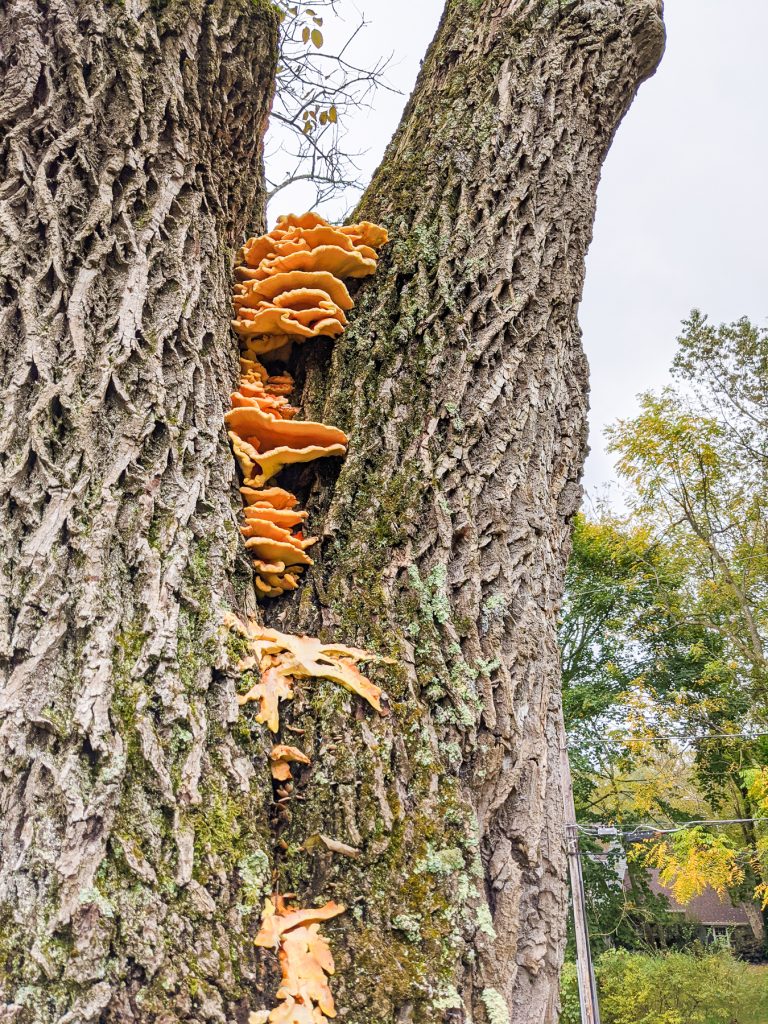
A couple of years ago, I offered chicken-of-the-woods mushrooms and let neighbors forage for them from a dead tree in our yard. This gift was a huge hit (and one of my favorite gifts I shared in our Buy Nothing group)!
Can I sell items in a Buy Nothing group?
No, the Buy Nothing Project is based on the principle of giving and receiving without expecting payment. Selling items is not allowed in Buy Nothing groups, and members who attempt to sell may be removed from the group.
Can I join multiple Buy Nothing groups?
It depends, but likely yes. Historically, the Buy Nothing project encouraged people to participate in only one group to “give where you live.” But as the organization has evolved, there is greater flexibility in being in multiple groups.
No matter which group(s) you’re in, it’s important to keep in mind that each group may have its own rules and guidelines, so make sure to read and follow them carefully. Additionally, it’s important to be an active, engaged member of each group you join so you can contribute to the community and build relationships with others.
How do I start a Buy Nothing group in my community if there isn’t one?
Starting a Buy Nothing group in your community is a great way to connect with your neighbors, reduce waste, and build a more sustainable community. Before starting your group, be sure to check out all the resources to start a Buy Nothing group on the Buy Nothing Project website. Generally, the process to start a Buy Nothing group will include the following steps:
- Check if a Buy Nothing group already exists in your area: Before starting a new group, search the Buy Nothing Project website to see if one already exists in your community.
- Find co-founders: Starting a group is easier and more effective when you have a team to help you. Reach out to friends, neighbors, and local community organizations to find others who are interested in starting a Buy Nothing group.
- Choose a platform: You can create a Facebook group or use the Buy Nothing Project’s platform to start your group.
- Define your group boundaries: Decide on the geographic area your group covers, such as a neighborhood, town, or city. Make sure to clearly define the boundaries in your group description. In some respects, this might be informed by existing Buy Nothing groups in your area. It’s helpful to have groups that don’t overlap much and also serve areas not already served by other groups.
- Set group rules: Establish guidelines for your group, including what can be shared, how to make requests, and how to arrange pickups. The Buy Nothing project site has many resources on creating these rules, as well as posts to share with the group to educate members.
- Promote your group: Spread the word about your new Buy Nothing group through social media, local community groups, and word of mouth.
- Launch your group: Once you have a core group of members and your rules and guidelines are established, launch your group and start sharing!
Should you join a Buy Nothing group?
I’m going to give you a resounding yes. I’ve been really happy with my experience. Not only does it help me throw away fewer items and find new homes for things, but it’s also helped reshape my mindset about giving and asking my neighbors for support.
Before joining the Buy Nothing group, I was much more hesitant to ask to borrow things like garden tools or offer up extra cake from a party to my neighbors. The Buy Nothing group has shown me that many neighbors really appreciate this connection. They are happy to share their abundance, and who doesn’t love cake?!
If this resonated, I’d love for you to subscribe to Sage Neighbor, my weekly newsletter about small, practical acts that build community resilience one household at a time. Drop your email below to be added to the list!
More Information About Buy Nothing Groups
I’ve written quite a bit about Buy Nothing groups. So if you’re still curious, check out more about using Buy Nothing groups and how they can help you live a more eco-friendly life, build community, and save money.








Jen Panaro
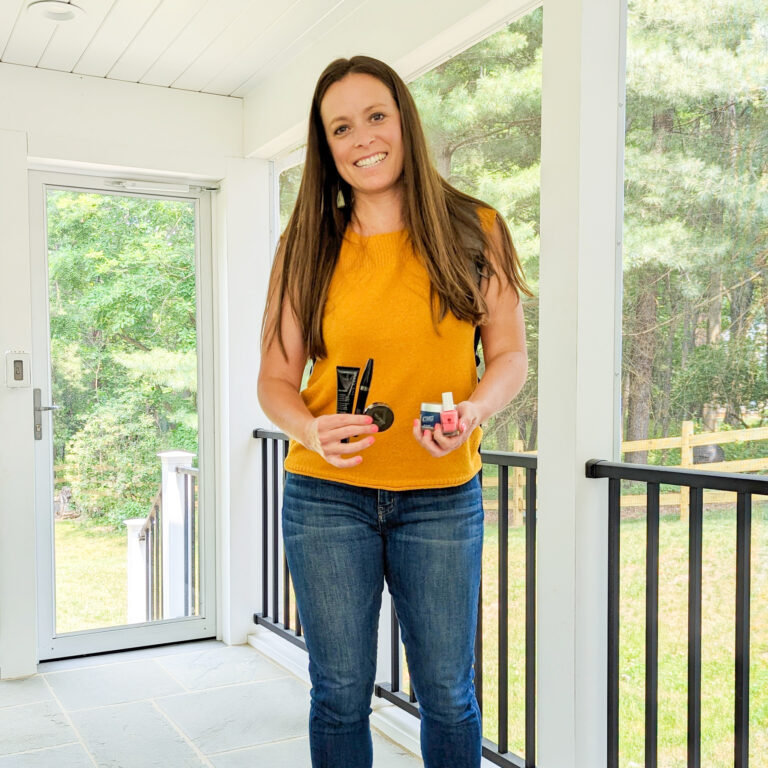
Jen Panaro, founder and editor-in-chief of Honestly Modern, is a self-proclaimed composting nerd and advocate for sustainable living for modern families. To find her latest work, subscribe to her newsletter, Sage Neighbor.
In her spare time, she’s a serial library book borrower, a messy gardener, and a mom of two boys who spends a lot of time in hockey rinks and on baseball fields.




Question – Can I claim what I give as a tax deduction?
Not that I am aware of. You are gifting to individuals, not 501c3 organizations under the tax code who could receive tax deductible donations.