
Where to Buy, Sell and Donate Used Hockey Equipment: A Comprehensive Guide
Ready to find a new home for your old hockey equipment? Check out these ideas for tips about where to buy, sell, and donate used hockey equipment. There are so many great options that can help keep hockey equipment out of the trash, especially when it still has plenty of life left in it!
This post contains affiliate links.
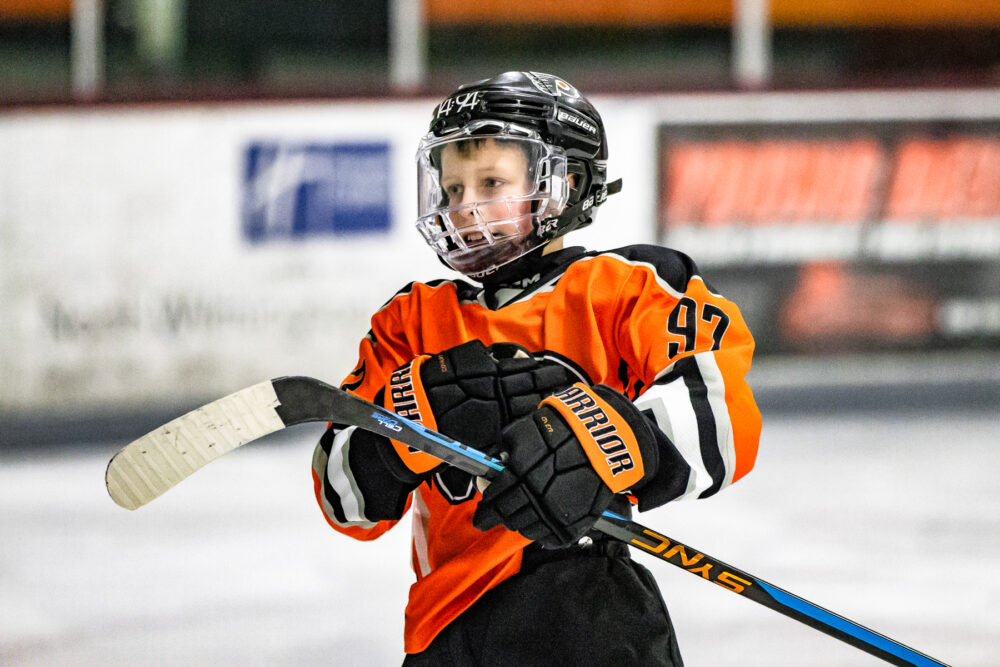
Winter hockey season is coming to a close. If you’re a casual hockey family or player, it’s probably time to put your gear away and shift to another sport or season. If you’re an avid hockey family, you know the end of one season just means a transition to next year’s evaluations, spring hockey, and more ice time. I feel ya!
Our boys just wrapped up their winter hockey seasons, so it’s time to give the gear a good clean, sort through what still fits, and find new homes for old hockey equipment they’ve outgrown or no longer need. While it’s easy to throw the old gear in the trash or drop it at a charity shop, there are many better options available.
Up to 90% of donations to charity shops end up being recycled, sent to other countries, or thrown away. It’s nice to think that we are doing good by donating to thrift shops. But in reality, these organizations get so many donations they just can’t keep or sell them all.
If you can find a more direct way to sell or donate your gear to someone who can use it, that’s a great place to start. We’ve included a bunch of options below to buy, sell and donate used hockey equipment. Not only are these alternatives more affordable options when you’re looking to buy new gear, but they’re also more sustainable and help keep hockey equipment out of landfills.
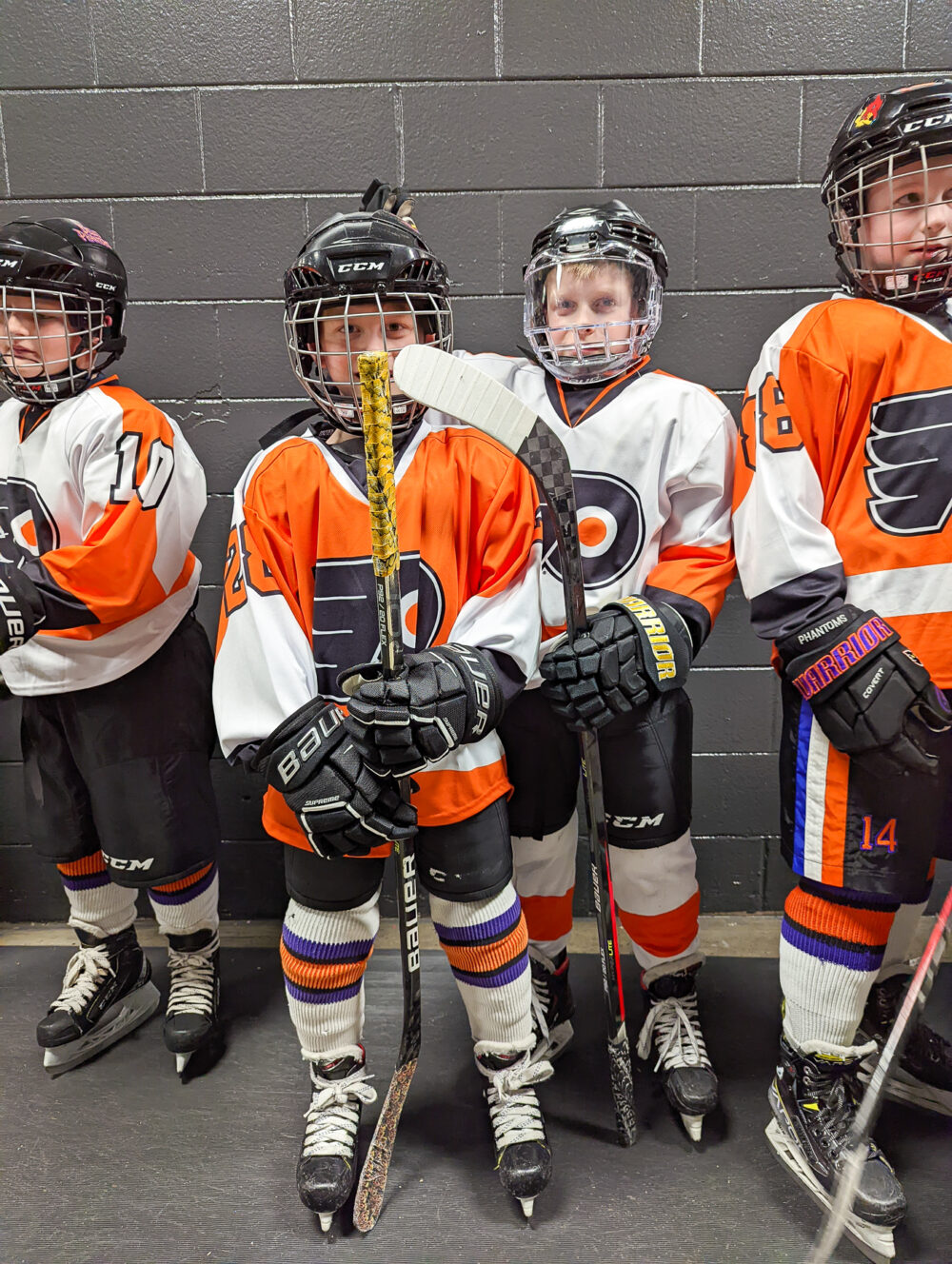
Why buying and selling used hockey gear matters
First and foremost, used gear is significantly cheaper than new, and youth hockey gear gets outgrown long before it wears out. Buying secondhand keeps that still-useful equipment in circulation rather than in a landfill, and selling what your kids have outgrown puts some of that original investment back in your pocket.
Beyond the money matters, every dollar you spend buying used hockey gear from another hockey family is a dollar that stays in your community rather than going to a sporting goods chain or online retailer. Every swap, sale, and donation through your club or local rink builds the kind of trust and relationship that makes a sports community more than just a schedule of practices and games. These transactions are small, repeated acts of mutual support, and they add up to something meaningful over a season and over the years.
The more we normalize buying secondhand, the more accessible hockey becomes to families on the fence about the financial commitment. That’s good for the sport and for the community around it.
Where to Buy & Sell Used Hockey Equipment
When it comes to buying and selling used hockey equipment, there are several options available. Here are some of the best places to find high-quality, affordable gear and sell the gear you’ve invested in but no longer need:
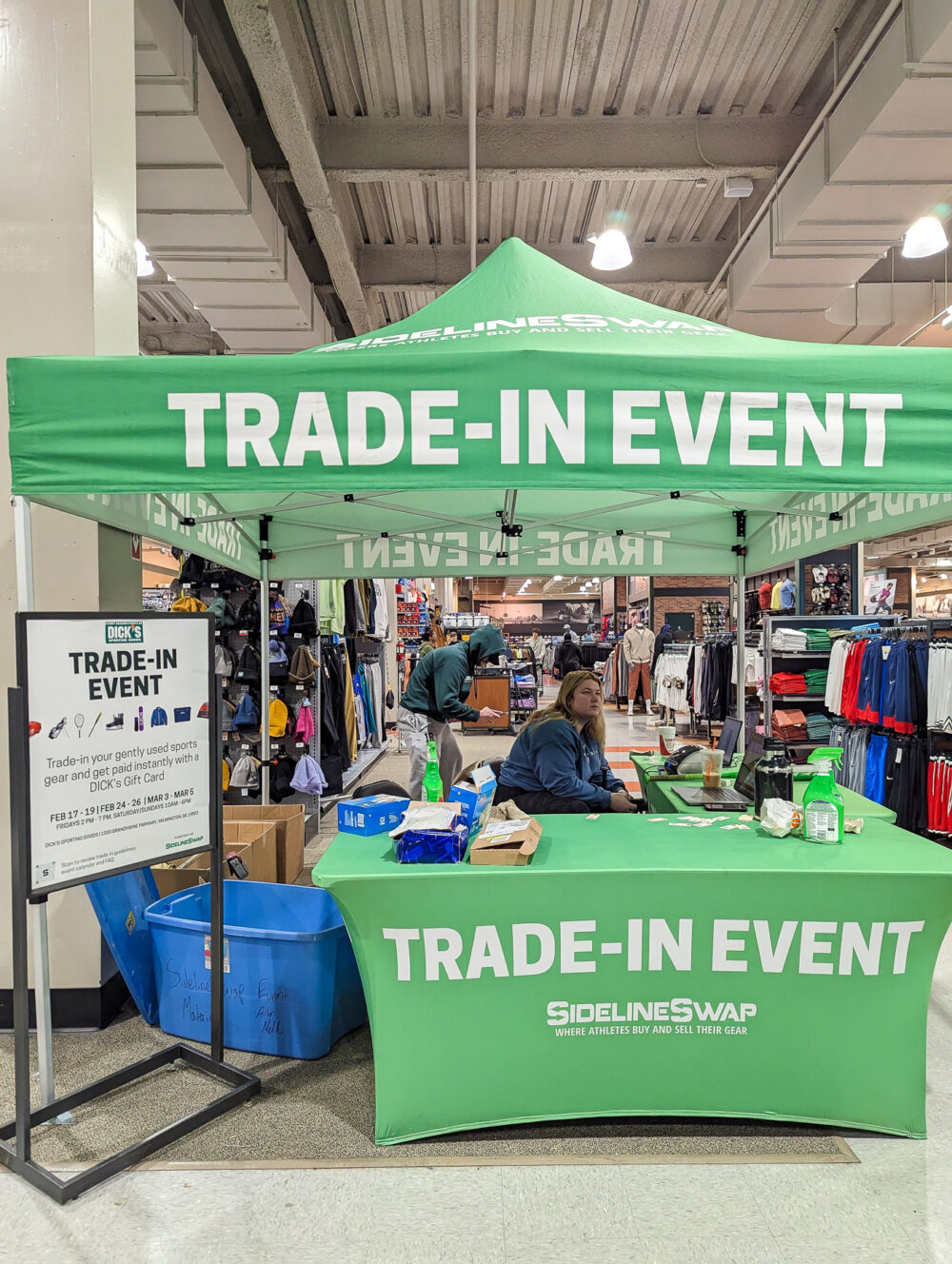
- SidelineSwap | This online marketplace is dedicated to buying and selling used sports gear, including hockey equipment. They offer a Value Guide to help you set fair prices, and you can filter your search by brand, condition, and more. You can post your items online or find a trade-in event. We saw Sideline Swap recently at our local Dick’s Sporting Goods Store, collecting items for resale, making it even easier to get paid for your goods.
- Play It Again Sports | With locations across the United States and Canada, Play It Again Sports is a chain of stores and a popular choice for buying and selling used sports equipment. They offer a wide selection of hockey gear, including skates, sticks, pads, and more, and offer both cash and store credit for your items.
- Local Hockey Shop: Depending on where you live, you may have a local hockey shop in your area. Your local hockey shop is a great place to sell your used hockey equipment. They may offer you store credit or cash for your gear. Supporting a local shop here keeps money in the local economy, just as buying local in any other context does. It’s worth a call before shipping anything to an online platform.
- Local Facebook Community Groups | Check whether your area has a group dedicated to buying and selling new and used hockey gear. Such groups exist in many areas and can be a great way to rehome good hockey equipment without much hassle. Search for your area plus “hockey gear” or “hockey equipment swap,” and you may find an active group of families already doing exactly this. These groups tend to be trustworthy because the participants are often people you already know from the rink.
- Facebook Marketplace | Facebook Marketplace is a free online platform where you can buy and sell items locally. You can list your used hockey equipment for sale and connect with potential buyers in your area. We use Facebook Marketplace for a variety of things. You can see check out more about how we use Facebook Marketplace here.
- eBay | eBay is a popular online marketplace where you can sell your used hockey equipment. You can set your own price and wait for a buyer to make an offer.
- Craigslist | Craigslist is another free online platform for buying and selling items locally. You can list your used hockey equipment for sale and connect with potential buyers in your area.
Buy, Sell, and Donate Gear in Good Condition
If your hockey equipment is too old or dirty for you to feel comfortable wearing, chances are someone else won’t want to use it either. Be mindful when selling or donating old hockey gear, and make sure it’s in decent condition for whoever will use it next. Additionally, hockey equipment can be pretty stinky and gross if you don’t care for it diligently, so clean items before donating or selling them.
When selling your used hockey equipment, it’s important to be honest about its condition. Take clear photos of the equipment and describe any wear and tear or damage in the listing. This will help you attract serious buyers and avoid any disputes down the line.
When buying used hockey equipment, be sure to inspect the gear carefully before making a purchase. Look for signs of wear and tear, such as frayed straps or loose padding. Make sure the equipment fits properly and is comfortable to wear. If you’re buying online, ask the seller for additional photos and information before making a purchase, if you can’t tell from the information and photos provided whether the gear is in good condition.
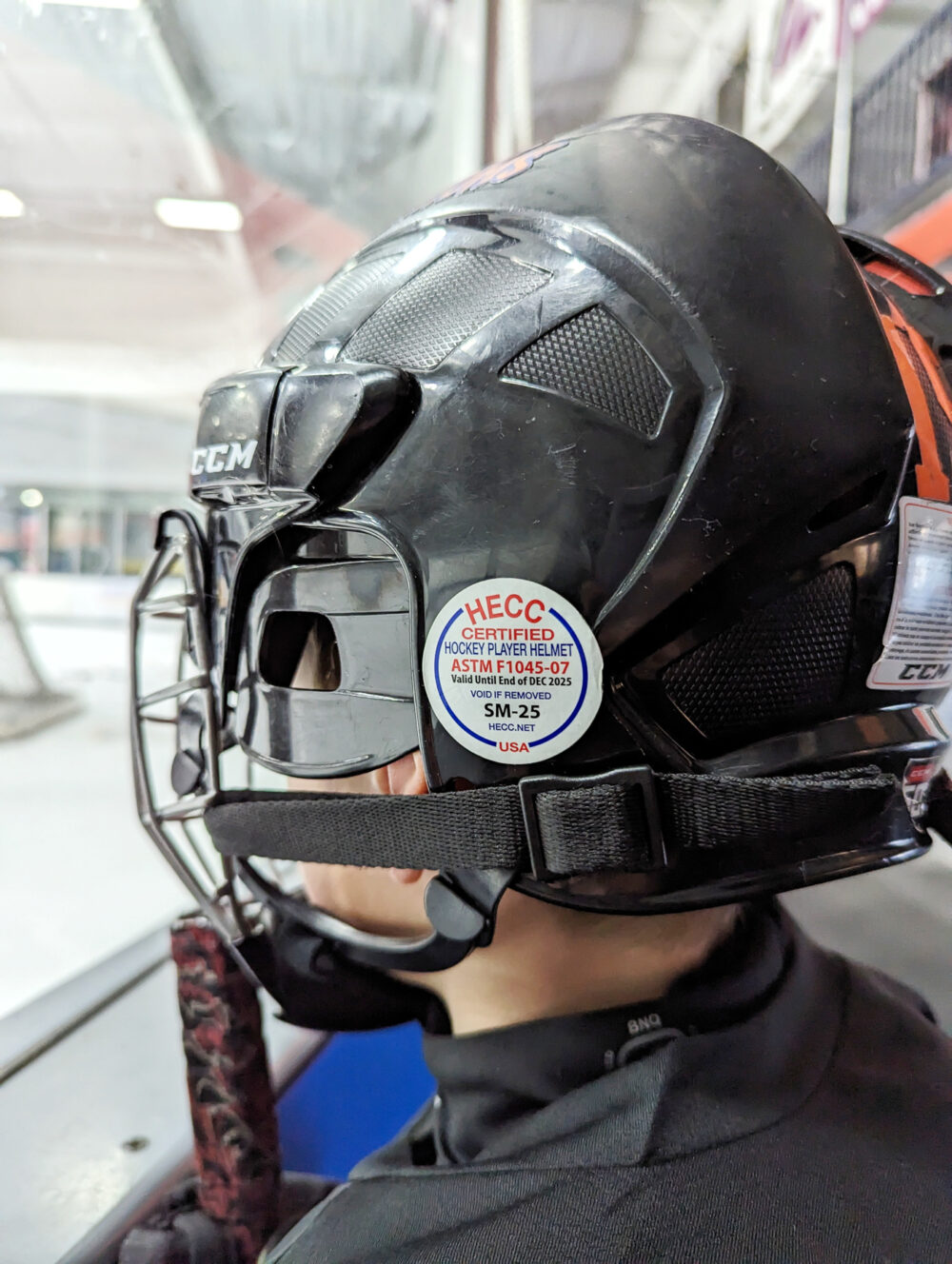
Check Hockey Gear Expiration Dates
Some hockey gear, like helmets, visors, and cages, have certification and expiration dates. This equipment is certified by the Hockey Equipment Certification Council (HECC) based on performance standards set by the American Society for Testing and Materials (ASTM) and Canadian Standards Association (CSA). The HECC certification is good for 6 ½ years, the length of time accredited testing has shown hockey helmets provide the expected protection for players. If you’re buying used hockey equipment, be sure to check certifications and expiration dates where applicable.
Remember, buying used hockey equipment can save you a lot of money, but it’s important to make sure you’re getting high-quality gear that will keep you safe on the ice. With these tips and resources, you can find the perfect equipment for your needs without breaking the bank.
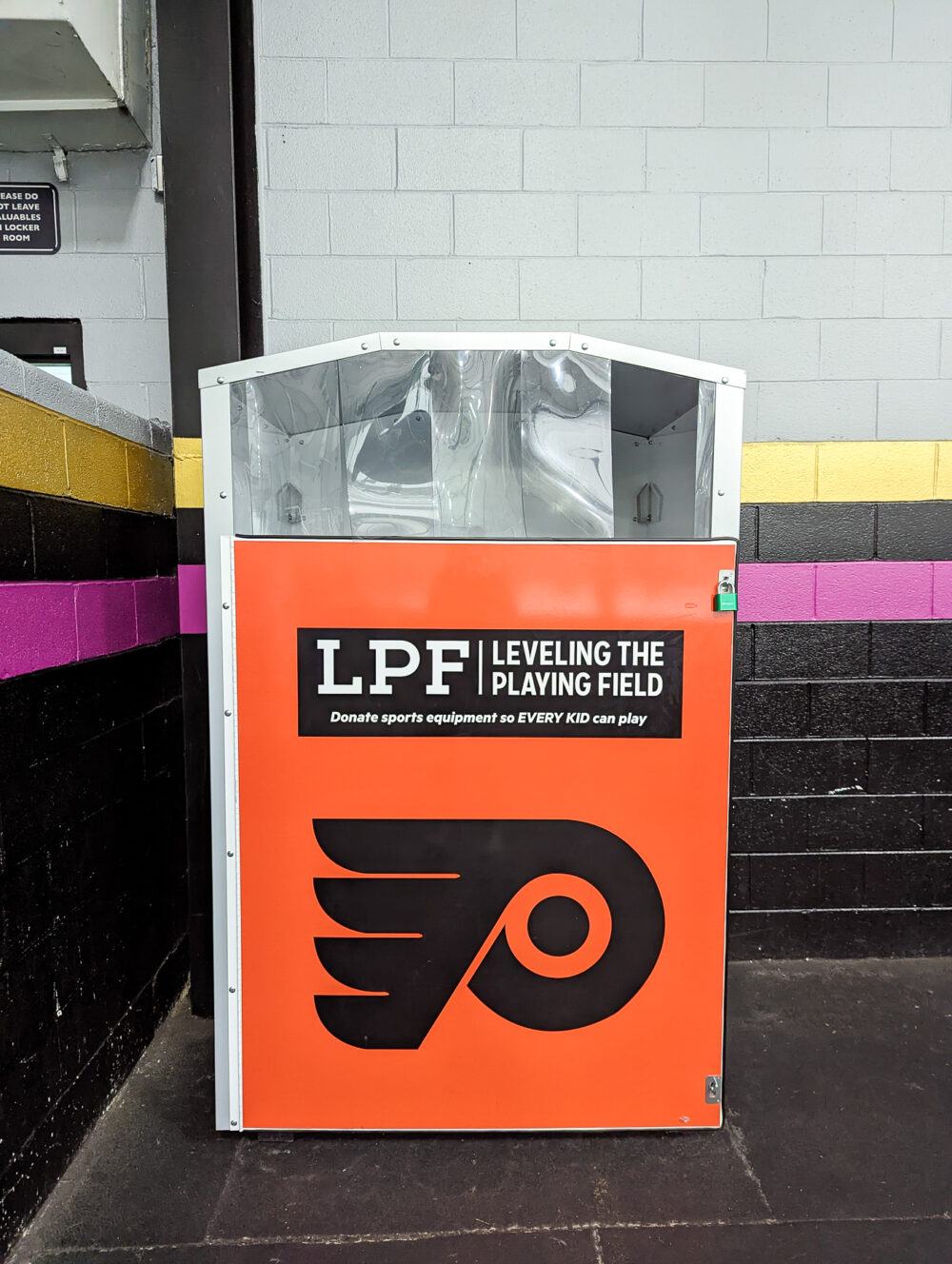
Where to Donate Used Hockey Equipment
Donating used hockey equipment is a great way to give back to the community and help grow the game. There are many organizations and programs that accept donations of used hockey equipment.
While some of these hockey gear organizations have formal programs in place, you also may be able to start your own gear-sharing or swapping group to reduce waste and help families save money in your own hockey community. Here are some options to donate your hockey equipment and prevent it from ending up in the landfill:
Donate Directly | To an organization, a club, or a family that will actually use the gear, donating directly is almost always better than dropping it at a general thrift shop. Charity shops receive enormous volumes of donations and frequently can’t sell or move specialized sports equipment. A more direct donation path means your gear actually gets used.
Set Up Club Closets or Gear Libraries | Before donating to an organization, you might consider setting up a club “closet” or space to collect gently used gear from players in your own club or local hockey league. A club closet of gently used equipment serves multiple purposes: it gives families a place to donate outgrown gear, provides a resource for families who need affordable options, and gives the rink a backup supply for the inevitable “my kid forgot their shin pads” situation. If your club doesn’t have one, it might be worth proposing.
Host a Club Sale or Swap Day | Why not host an equipment swap within your own hockey organization? Pick a day (maybe a bit before the season starts, and everyone has already invested in their own new gear) for a sale or swap day. Everyone brings their old hockey equipment. You can do it as a garage sale, and the proceeds benefit the club. Alternatively, you could run it as a swap, during which each person gets tickets/points to take items based on the number of items they brought and donated to the swap.
I’ve done this myself. We organized a baseball gear sale and swap for our boys’ travel baseball league, set up a folding table at league evaluations so parents were already there, ran most of it on an honor system with a Venmo QR code, and raised $516 with three volunteers and a few weeks of loose planning. The key was keeping it simple and piggybacking on an event that was already happening rather than asking families to show up for one more thing.
If you want the full how-to — including the exact Canva flyer template, the pricing structure we used, and what to do with gear that doesn’t sell — I wrote it all up in a separate post. [→ How to host a small community fundraising sports gear sale and swap.]
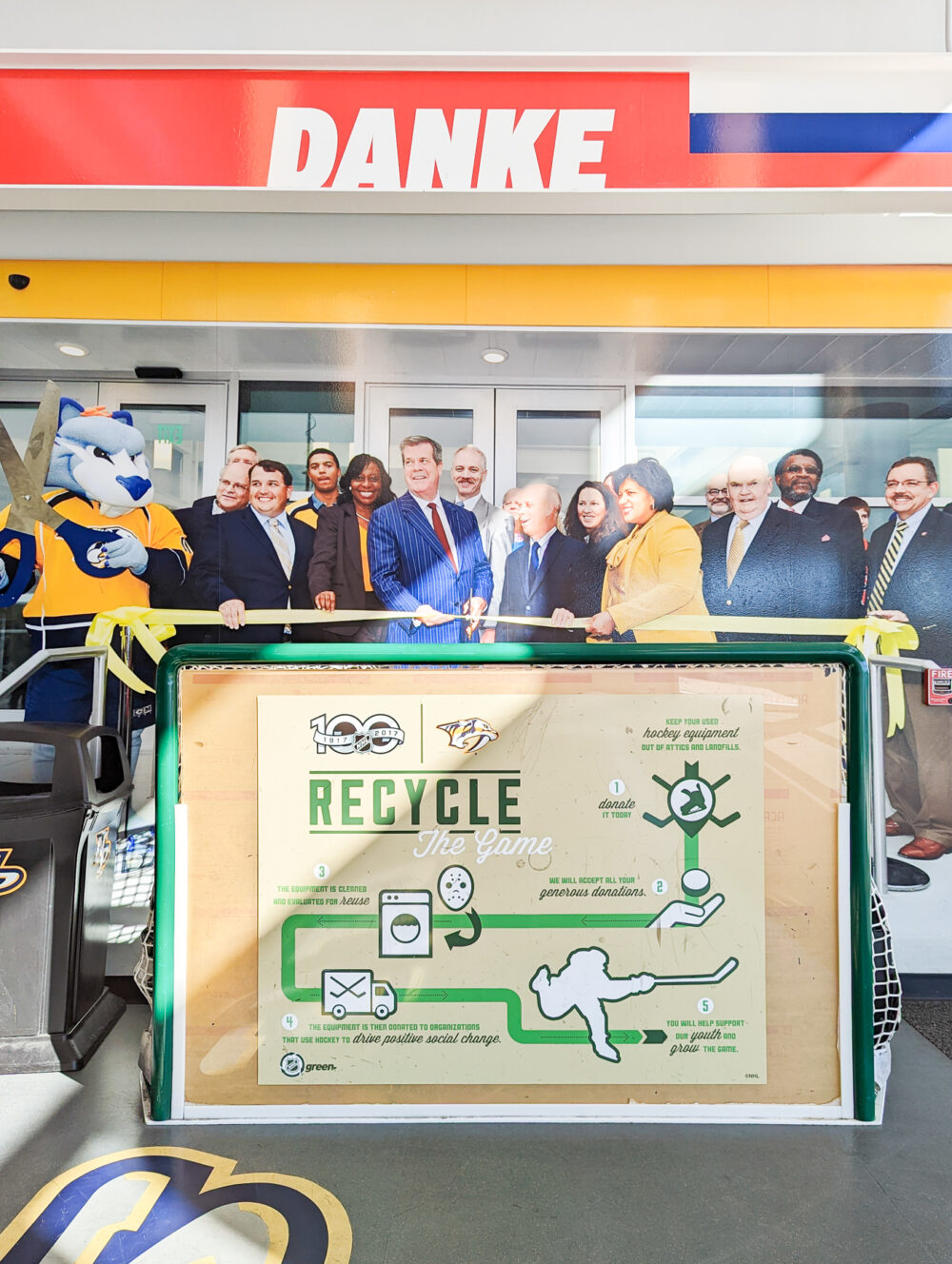
NHL Partnership Donation Bins (United States) | Many local hockey rinks have partnered with their regional NHL teams to provide collection bins for used gear. That equipment goes to organizations serving underprivileged communities and youth players who can’t afford their own. Check your local rink. These bins are more widespread than many people realize.
Leveling the Playing Field (Greater Washington, Baltimore, and Philadelphia areas, US) | This organization accepts gently-used sports equipment, including hockey gear, and redistributes it to those who cannot afford to buy their own equipment. They also have collection events and drop-off bins in many locations, including lots of local hockey rinks and arenas.
United Heroes League (Minnesota, United States) | United Heroes League actively works to ensure that children of military service members can afford every opportunity to participate in sports. They collect gently used sports gear for a variety of sports, including hockey. They do accept donations sent to their facility through their national mail-in program if that works for you, and they have several drop-off locations if you are in their area.
PickupPlease (United States) | This organization comes to pick up your donations for you, which is especially convenient. They specifically request sports equipment on their site. Proceeds support the Vietnam Veterans of America.
Victory Sports (Buffalo, NY) | With a mission to help under-resourced schools, leagues, and athletes obtain the equipment they need to participate in sports, Victory Sports collects gently used and like-new sports equipment, including hockey gear, to provide to partner organizations. While they are based in New York State, they have supported organizations in many different countries and around their own community.
Sport Central (Edmonton, Canada) | Sport Central accepts equipment for 15 different sports, including hockey, soccer, skating, baseball, snowboarding, bicycling, and more. They are only located in Edmonton, but you may have similar organizations in your area.
Buy Nothing Groups (International) | While not specifically set up for hockey gear, these hyper-local community groups are awesome ways to connect with neighbors and give the gifts of your abundance. If you have extra hockey gear, simply post it on the group page and someone in your community will likely request to receive it. We’ve been part of our Buy Nothing group for a few years now. It’s been such a useful and fulfilling way to rehome things we no longer need and to borrow or receive items from neighbors that we can use.
Thrift Shops & Charity Shops (Various locations) | They’re better than the trash, and if you’ve exhausted other options, donating to Goodwill, Salvation Army, or Savers is still worthwhile. Just know that specialized sports equipment is harder for general thrift shops to move, so more direct donation paths are preferable when available.
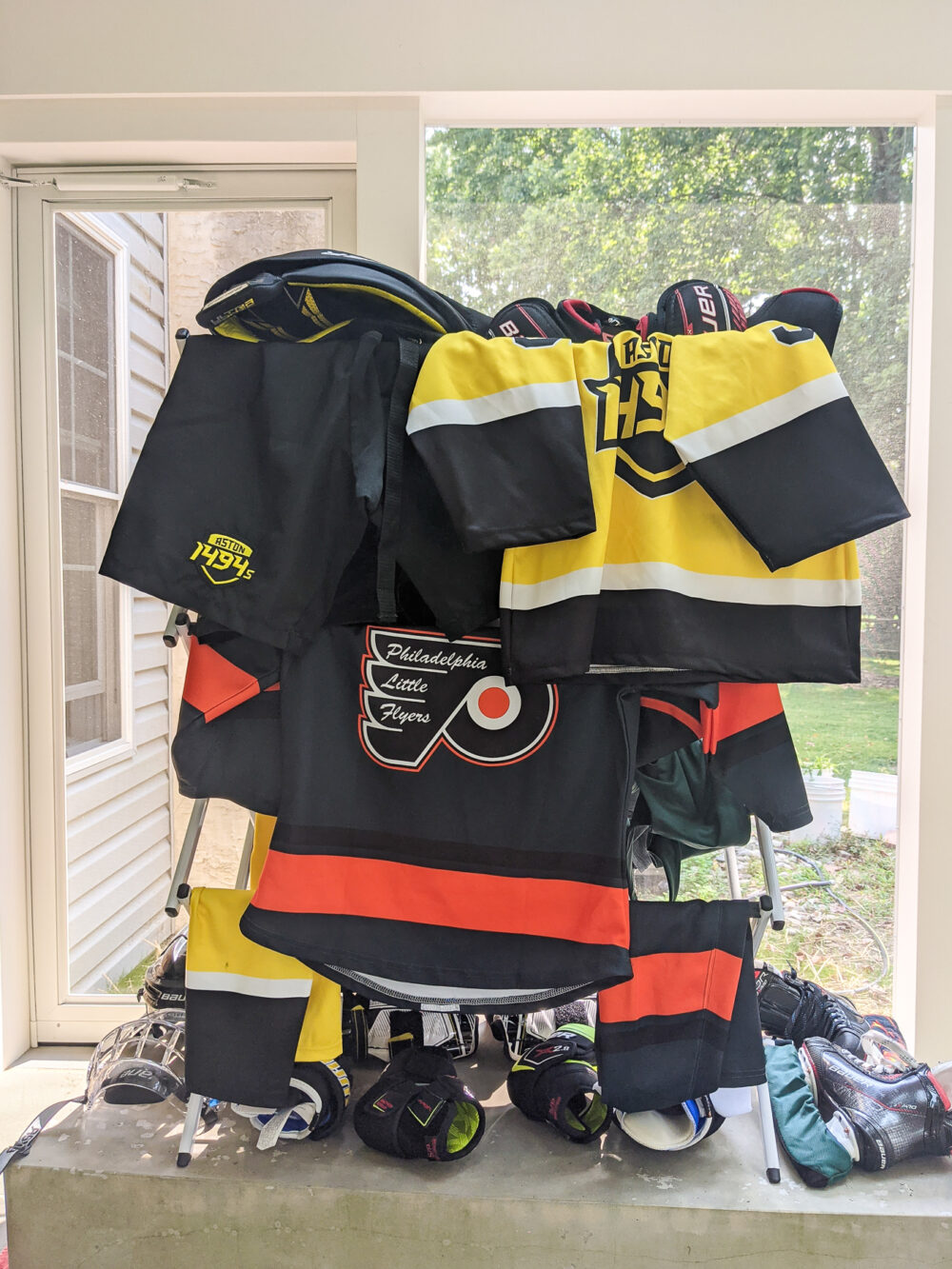
What about the jerseys?
This is still the unsolved problem in our house. We have accumulated a lot of jerseys — team jerseys from seasons past, in sizes that no longer fit anyone — and most people have no interest in someone else’s team jerseys.
Some options we’ve seen: bedroom decor, memory quilts made from old jerseys, and textile recycling programs. If you have a genuinely great solution for old hockey jerseys, I would love to hear it in the comments. This is one where the community is still figuring it out together.
The bigger picture
If you’re reading this post because you or your child plays a sport other than hockey, most of this applies to you, too. The secondhand gear ecosystem exists for most sports — sometimes more formally, sometimes more informally — and it’s worth seeking out wherever you are.
My friend Jess at Thoughtfully Sustainable wrote a wonderful guide specifically for horseback riding gear that covers the equestrian secondhand community in real detail, including a platform called The Tried Equestrian that she loves.
The principle is the same across all of it: buy used when you can, sell or donate what you’ve outgrown, keep gear in circulation among the people who need it, and support the community ecosystems that make all of this work. Your wallet benefits. The environment benefits. And the families on the other side of those transactions benefit too.
That’s the whole point.
If you liked this post, you might also like
Where to Find Secondhand Hiking & Outdoor Gear
Eco-Friendly Ways To Organize and Clean Out Your Garage
How To Print A Large March Madness Bracket for Cheap

Jen Panaro
Jen Panaro, founder and editor-in-chief of Honestly Modern, is a self-proclaimed composting nerd and advocate for sustainable living for modern families. To find her latest work, subscribe to her newsletter, Sage Neighbor.
In her spare time, she’s a serial library book borrower, a messy gardener, and a mom of two boys who spends a lot of time in hockey rinks and on baseball fields.

Just going to dump all our gear. No one in my area wants used ice hockey or figure skating gear. Shame – some is brand new. Most used (1) season & kids grow. Sad to waste it. Rinks & clubs turn up their noses.
I’m sorry to hear that. That’s too bad they don’t have any programs near you that reuse or resell gear.
i am looking for adult team jerseys for my inline hockey team. lightweight is best. anyone have any ideas?